

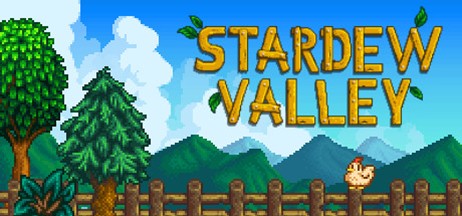
Even if audiences had already understood the game as a loving tribute to Harvest Moon, the scale of its later breakout still went beyond what many in the industry expected. Its signature loop of planting, harvesting, and building a home was captured so precisely by the development team that the game sold one million copies within its second month. Today, that number has surpassed 50 million.
That kind of long-term companionship carries its own quiet strength.
If we rewind to 2012, the project was first known as Sprout Valley. Back then, the art style was plain, with a strong early-pixel feel, and Barone himself described that period of the game as “not mature enough.” And yet, it was precisely that beginner’s-eye innocence that gave the work a texture that could never quite be replicated.
In his blog posts, the developer emphasized that fun had to sit at the center of the game. That belief guided him to strip away a great deal of unnecessary complexity during development. A subterranean goblin village that had once been planned, as well as a randomly generated mine system, were both abandoned after testing showed they did not feel right. The ideas were creative, but they sat outside the game’s intended framework and made it feel too heavy.
Through that process of subtraction, the core experience remained pure and light.
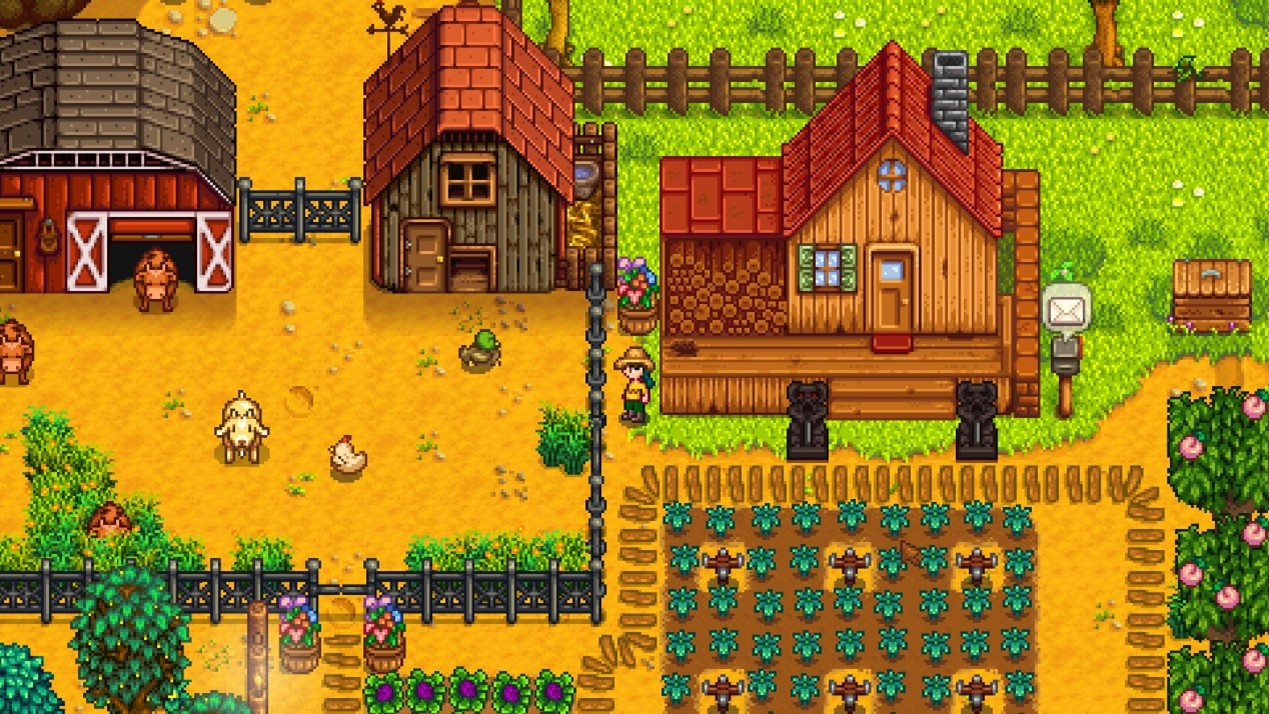
And when the game sold more than 30,000 copies on its first day, it fully ignited Barone’s determination.
The next ten years became a long marathon.
From version 1.0 to version 1.7, Stardew Valley has moved through multiple updates without ever entering a truly quiet period of player disengagement. That vitality comes from the development team’s sharp sensitivity to what players want. Co-op mode arrived in 1.3 to meet social expectations, while version 1.6 expanded emotional depth with more story interaction. These layers have made the game feel fuller over time, while still keeping it fresh and warmly familiar.
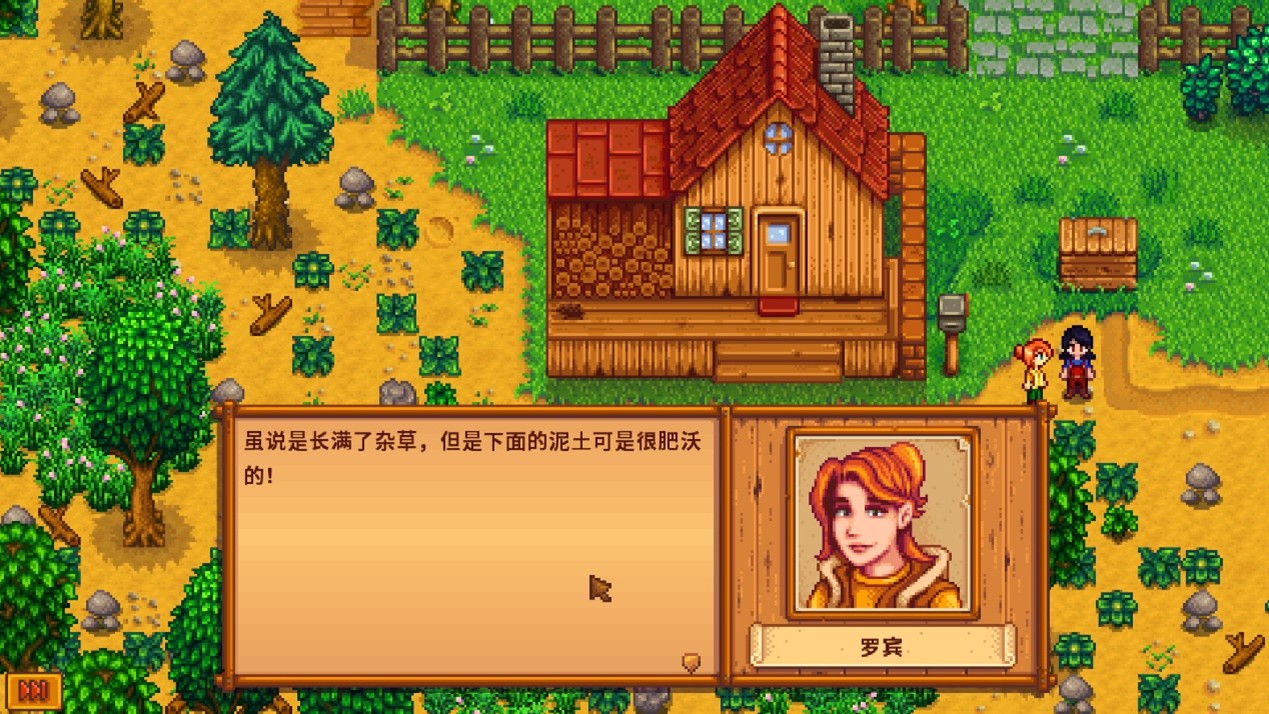
The goal of this change is to address Clint’s long-standing unrequited feelings, while Sandy will also leave the distant desert and come to the farm, bringing more varied interactions and outfits for players to discover.
Beyond the expanded romance pool, a major upgrade to the child-raising system is another highlight of the update. Children, who previously had rather limited interactions, will gain stronger social behaviors. Through this, the developer is trying to make family relationships feel deeper and more alive.
In addition, the addition of a ninth farm map type will further broaden players’ management choices. This sense of preserving surprise has become one of the game’s traditions.
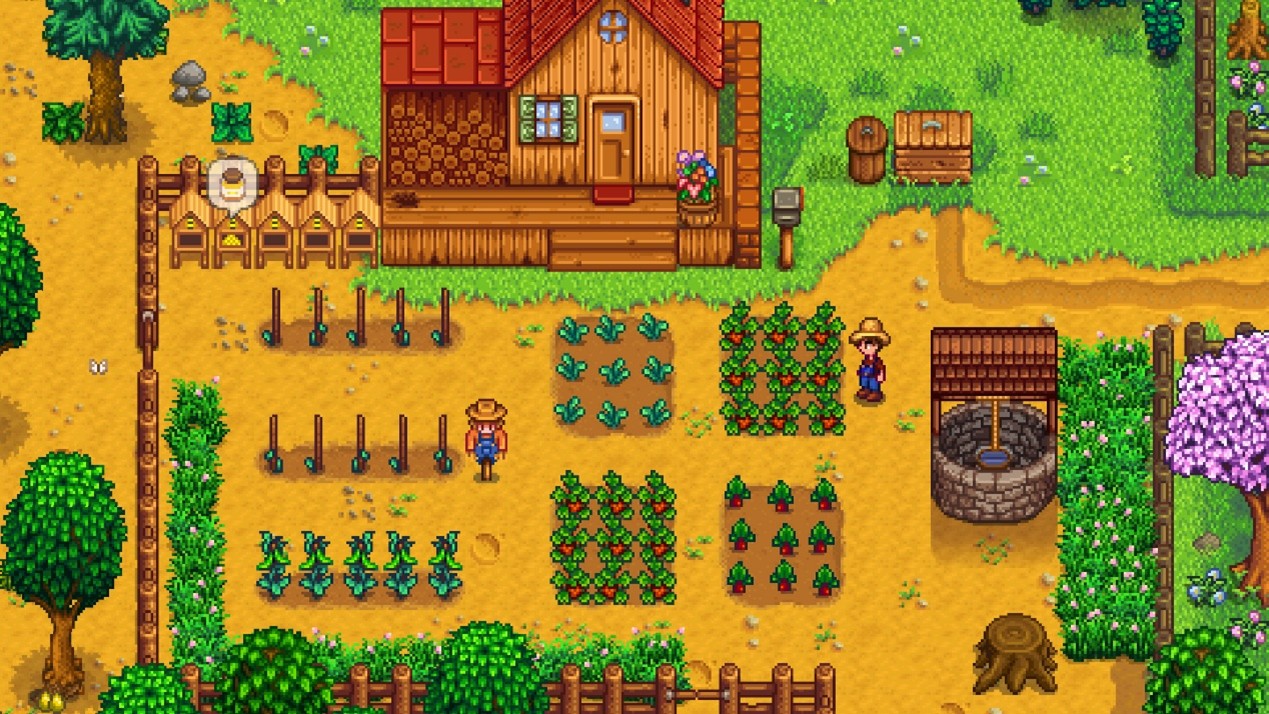
One player wrote on social media that this kind of farming game perfectly matches their dream of a peaceful life. The lively discussion in the comments shows how far the game’s influence has traveled over time. Even years after release, conversations about heart events and relationship guides are still going strong.
That influence reaches across communities and borders. In interviews, well-known actors have talked about naming livestock in the game and living out a parallel life there. Meanwhile, management-minded players turn careful financial planning into the most efficient farm possible, finding pure joy in the pursuit of profit.
Whether what they seek is pastoral calm or the satisfaction of optimization, players can find an outlet inside the same imagined world.
This phenomenon also echoes sociological ideas about the “pastoral myth.”
At its heart, the game offers a gentle challenge to the rhythms of real life, giving this simulation experience a quiet sense of resistance to modern industrial pace.
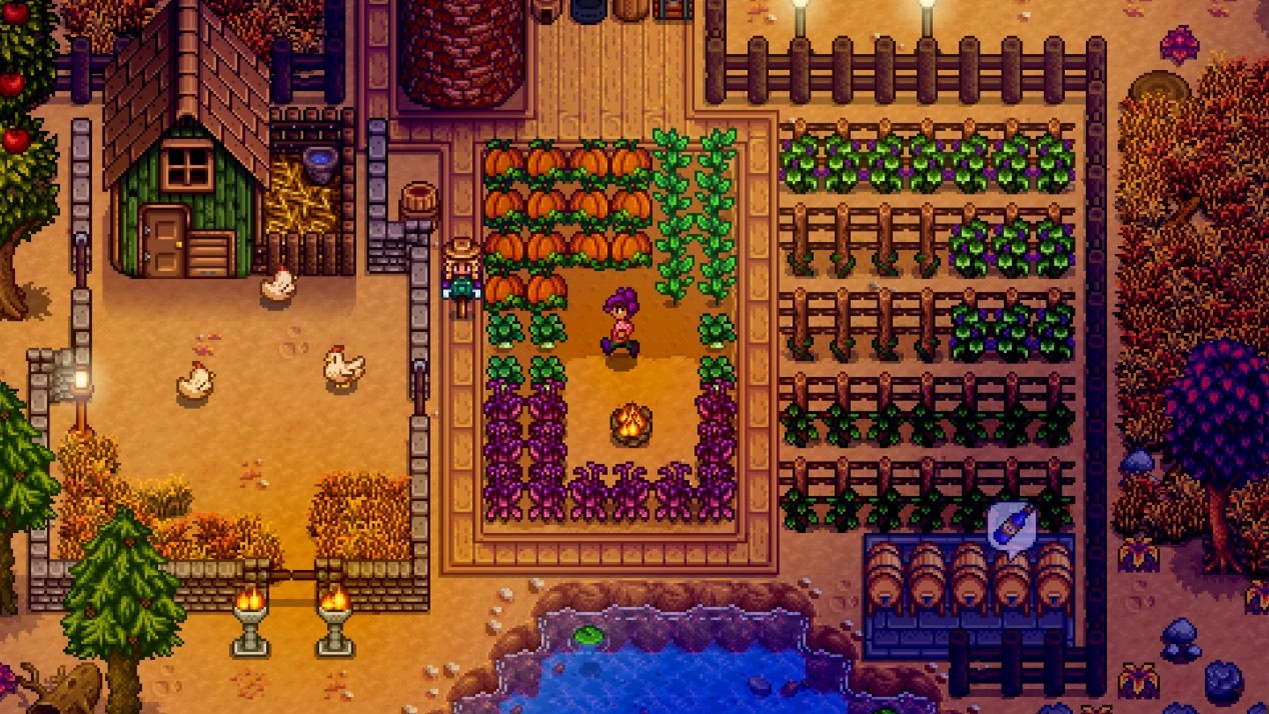
By early 2026, the number of related mods had surpassed 28,000.
To support that creative freedom, the developer made major structural changes to the underlying code. Although Barone himself rarely plays those mods in order to preserve his own creative independence, he still chooses to leave as much room as possible for players to express themselves.
Looking back over the past decade, Stardew Valley has achieved what most indie games never do. It has found financial success, yes, but it has also built a loyal and intimate player community. At a moment like this, adding more praise would almost feel unnecessary.
What may be more moving are the player stories hidden in Reddit threads: people describing how they got through grief here, how they pushed back confusion, and how they remembered warmth they had lost in real life through a tiny pixel world.
Those emotions give the code a kind of life, and that connection is the game’s most solid foundation.
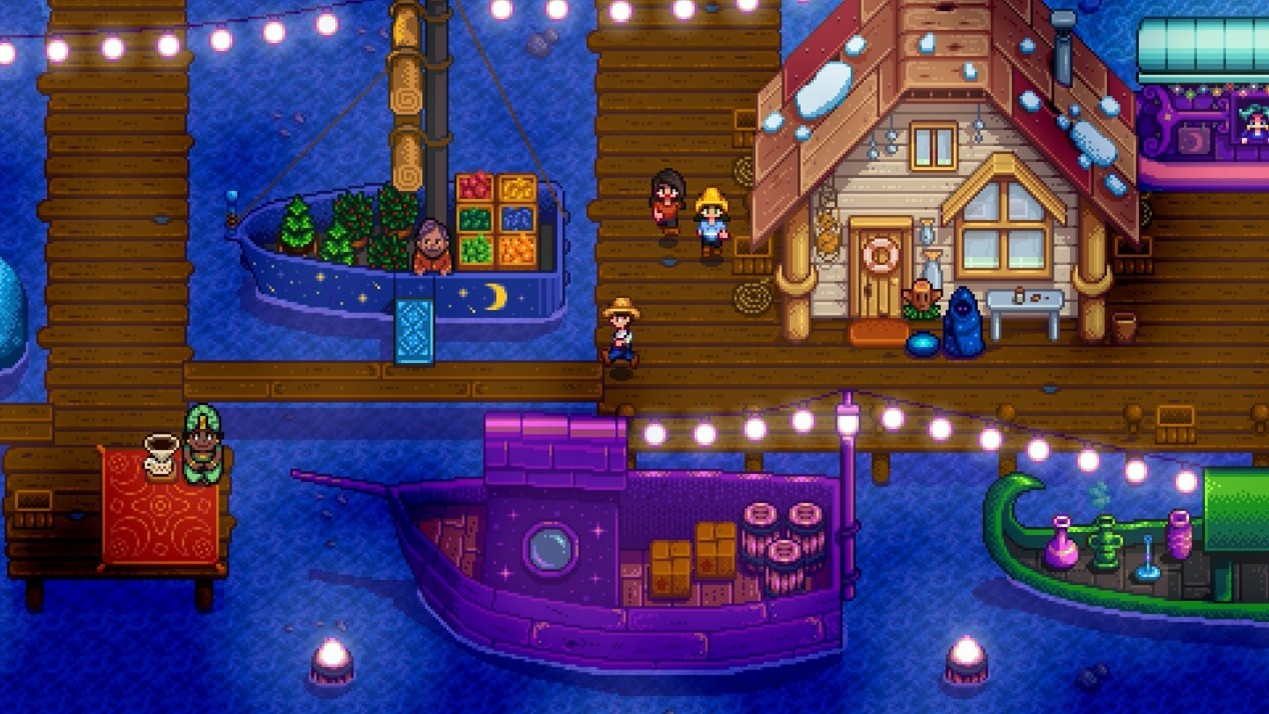
At a time when the industry often chases monetization above all else, a ten-year strategy built on free updates feels especially valuable. Here, the meaning of service returns to user experience itself. Pure creation, free of obvious commercial calculation, has instead gained a kind of lasting vitality that transcends material conditions.
Stardew Valley’s story is still being written.
In every update, Barone continues to pour in care in pursuit of better self-expression. That persistence is not only about refining a game, but also about practicing an extreme craftsman’s philosophy. It encourages more people to do their best and plant hope in their own corner of the world.
Source: 游研社
Image credit: Steam
Glodom does not claim ownership and accepts no legal liability. The views expressed belong to the original authorand not to Glodom; the content is provided for reference and learning only. If you believe this content infringes yourrights, please contact info@glodomtec.com to request removal.
