

One late night in 2017 you might have had a moment like this: a messy hand of cards, the boss’s health bar nearly gone, the next draw deciding life or death — and when you flip that card, the air in the room seems to stop. That’s the memory fragment many players carry from the original game. It fused card-building with roguelike design so seamlessly that it set a bar later imitators struggled to reach.
Nine years later, Mega Crit returns with Slay the Spire 2 . Within four days of launch it hit an astonishing concurrent peak and has held overwhelmingly positive reviews — a testament to a generation of players asking the same question: what’s inside the Spire this time?
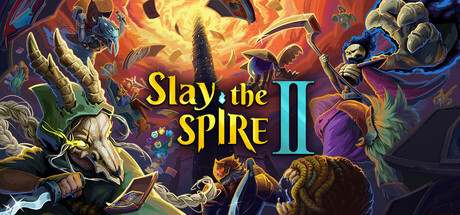
What You’ll Find When You Enter the Spire
It’s still the Spire.Still the procedurally generated paths, the cards, the relics, the bosses.
The sequel doesn’t overturn the original formula. Players still climb floor by floor until they face a powerful final foe. What feels new is the careful accumulation of small improvements tucked into the details.
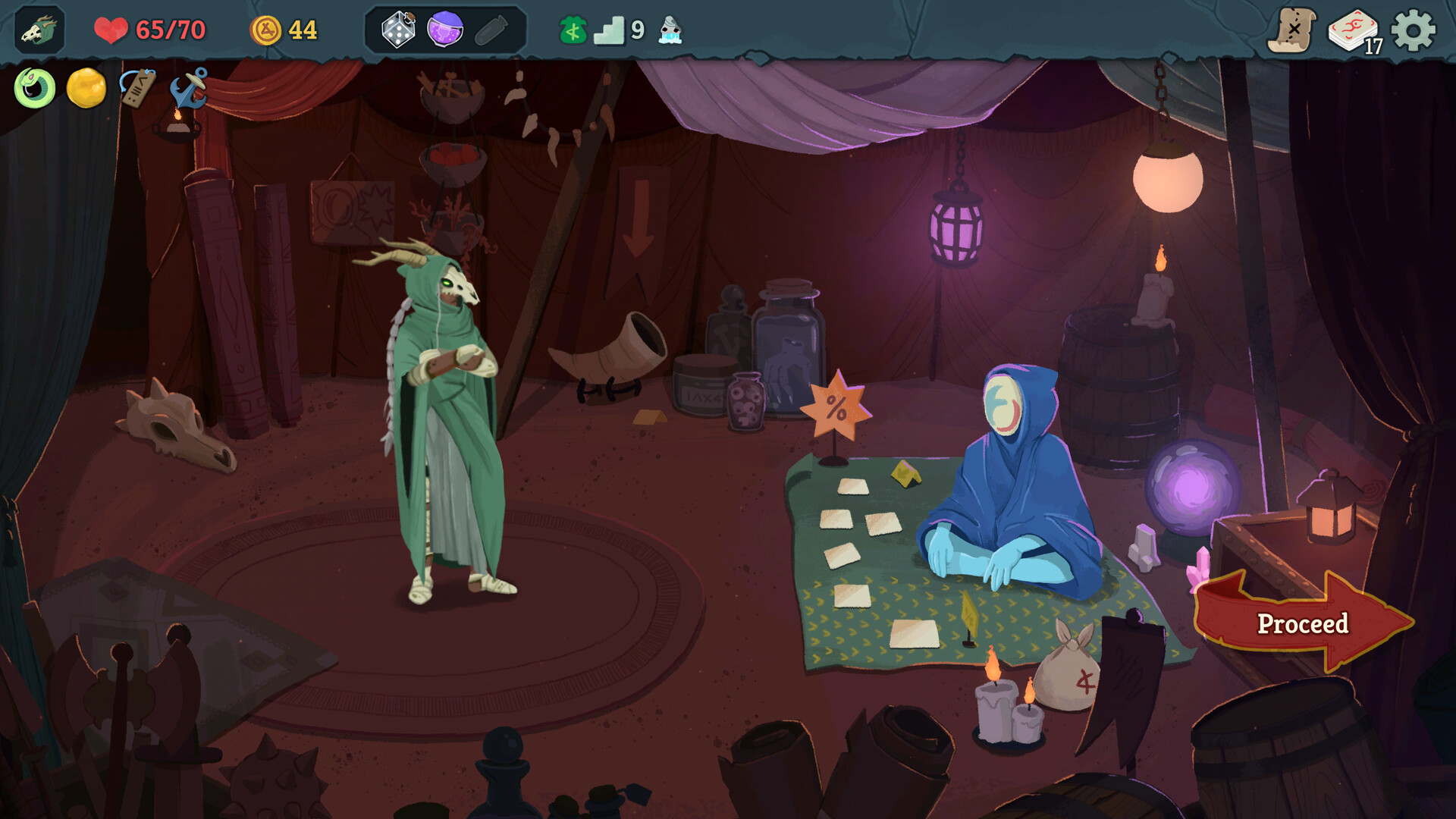
Visually, attacks are no longer simple translations; they come with full swing animations and hit feedback. Random events are no longer static images but full-screen sequences, and when the familiar face of Neow appears, particle effects can accompany the reveal.
But the visual polish is only skin-deep. The real shift in player experience comes from a series of restrained yet precise mechanical tweaks.
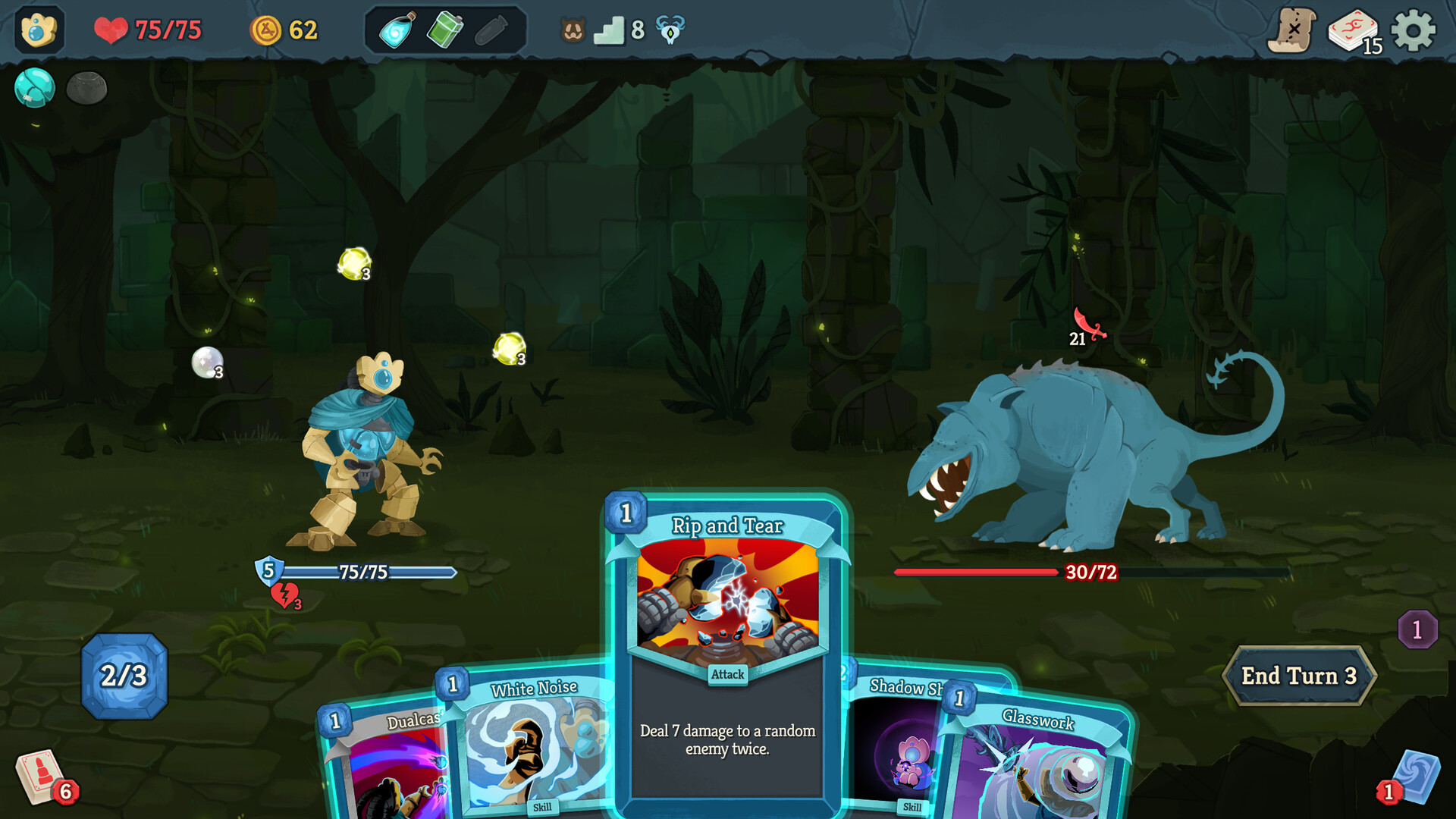
Growth and upgrade systems for cards now offer more variety: beyond the standard upgrade, some cards can gain extra effects or additional keywords — doubled damage, extra card draws, or “play twice” effects.
That design breathes life into cards that once felt useless and greatly expands viable deck-building choices.
Story You Can Read Without Consulting the “Spire Scholars”
In the first game the story was scattered — players often needed community “Spire scholars” to piece things together. Why does the Spire exist? Who or what are the bosses? Answers were mainly conjecture.
In Slay the Spire 2 the team lowers that barrier. The Spire’s history is no longer something you must stitch together from scraps — it’s conveyed through a threefold approach of events, in-game text, and animated sequences.
After each run, the game drops timeline fragments based on performance, which unlock long-dormant chapters of the Spire’s past. Out-of-run progression therefore becomes less about raw numbers and more like paging through an ancient chronicle — a substantial upgrade for players who enjoy narrative discovery.
Four-Player Co-Op Turns a Single-Player Game Into a Party
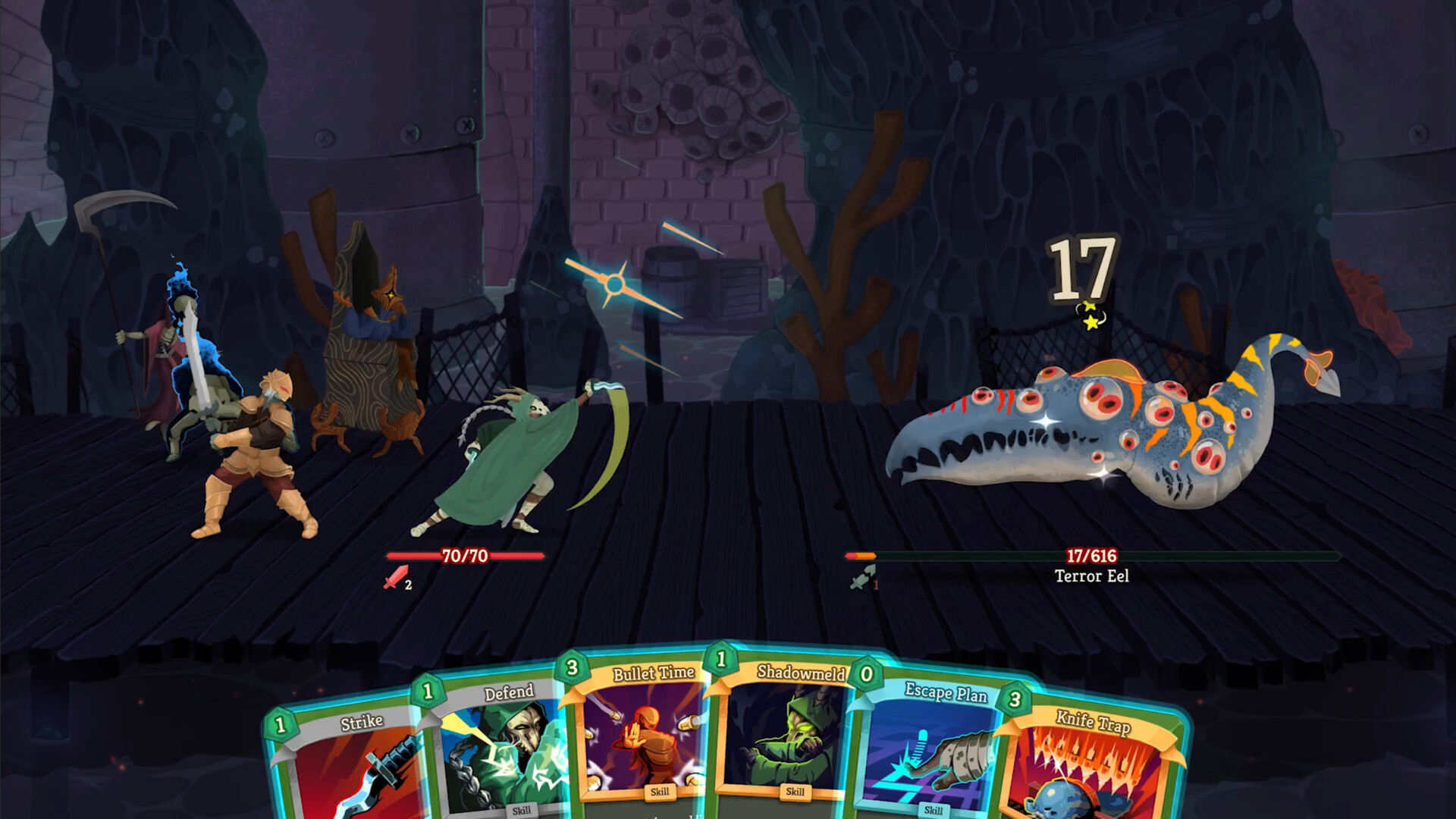
The co-op mode is arguably the most fun addition. The development team did not merely duplicate the single-player experience and drop multiple players into it. As player count rises, enemy health scales up and enemy attacks affect everyone simultaneously; likewise, status effects such as Vulnerable and Weak can stack across players.
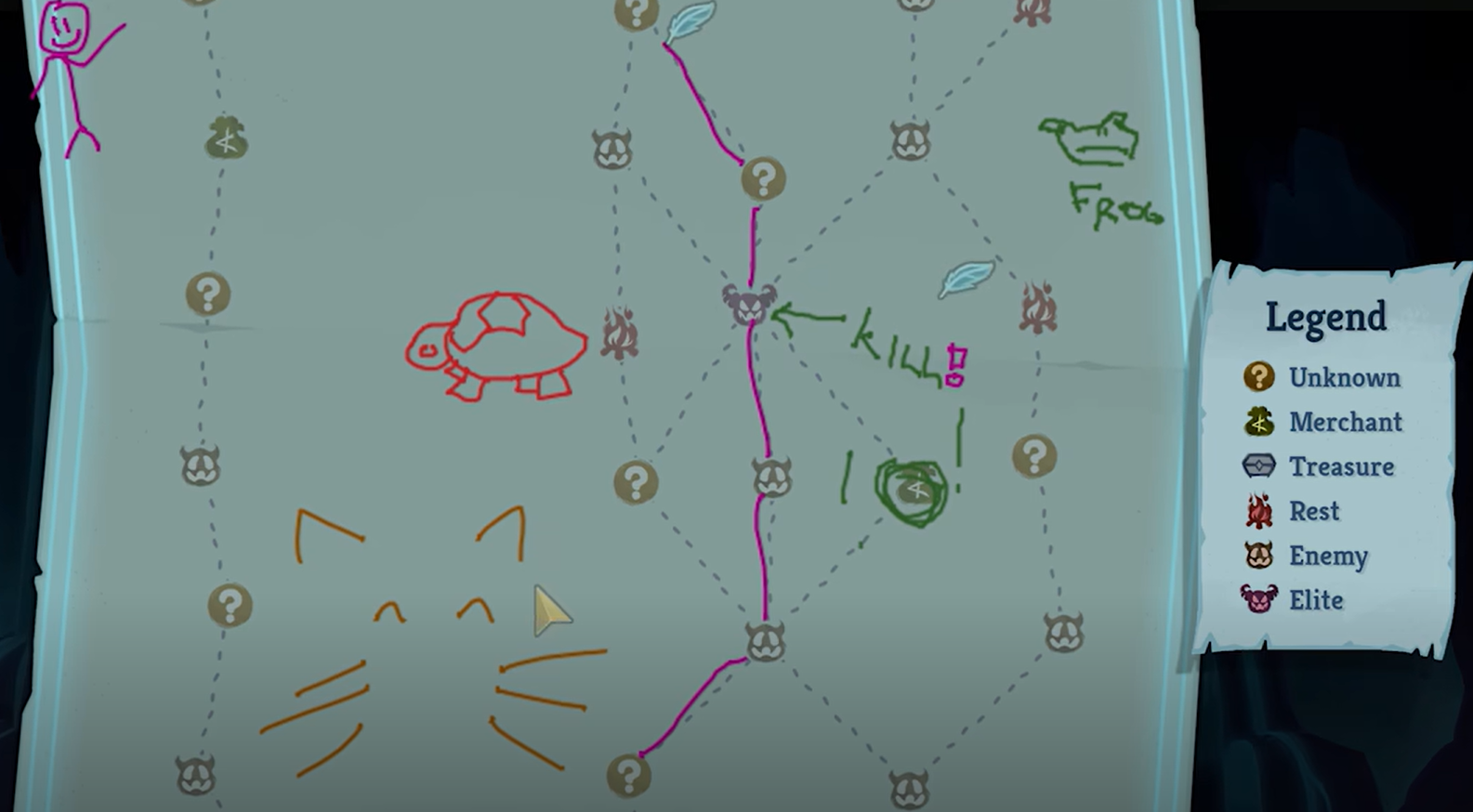
This design creates new strategic tensions: who applies the first debuff, and who holds the combo cards for the finish? Without an in-built voice chat, teammates rely on mouse-pointer gestures and the “hurry up” ping button to coordinate — which often leads to small misunderstandings, but those moments are part of the delight that single-player cannot reproduce.
A Nine-Year Mutual Journey Between the Game and Chinese Players
The original game’s rise in China is its own story.
At launch there was no official Chinese localization, yet early on the developer acknowledged that Chinese players made up a significant portion of sales. Two key community figures helped change that: Bilibili creator 怕上火暴王老菊 ignited interest with a single video, while the community translator known as 谜之声 took on the localization that opened the game to far more Chinese players. Those grassroots efforts highlighted the importance of localization.
The developers remembered that. For the sequel, Simplified Chinese launched alongside the game and even featured in Steam announcements — a clear sign of how seriously they take the Chinese audience. From modest early-test sales to topping Steam’s bestseller charts at release, the Slay the Spire series has completed a long climb over nine years.
Behind every globally successful game there’s a journey across languages and cultures. As the community translator once bridged the gap for Chinese players, precise localization remains the key to reaching wider audiences.
At Glodom, we focus on projects with cultural nuance and narrative depth. From the tone of card descriptions to reconstructing lore context and adapting the user interface for multiplayer communication, our mission is simple: remove language as a barrier so the game’s crafted experience finds its rightful players.
About Glodom:
Glodom is an innovative language-technology solutions provider with deep expertise in game localization. We maintain long-term partnerships with studios worldwide. With over 300 in-house staff and more than 10,000 native-language linguists across 40+ countries, we support 200+ languages. By combining advanced technology with rigorous project management, Glodom helps companies execute global strategies — leading the field in translation accuracy and multilingual workflow efficiency.
