

Somewhere along the way we began to long for the “beauty of the boom years.” This isn’t an economic term so much as a collective aesthetic and mood — high-saturation colors, glossy showmanship, outward confidence, and an optimistic appetite for the future. That sensibility is tightly bound to the turn-of-the-millennium look and feel that stretched from the early 2000s into the early 2010s.
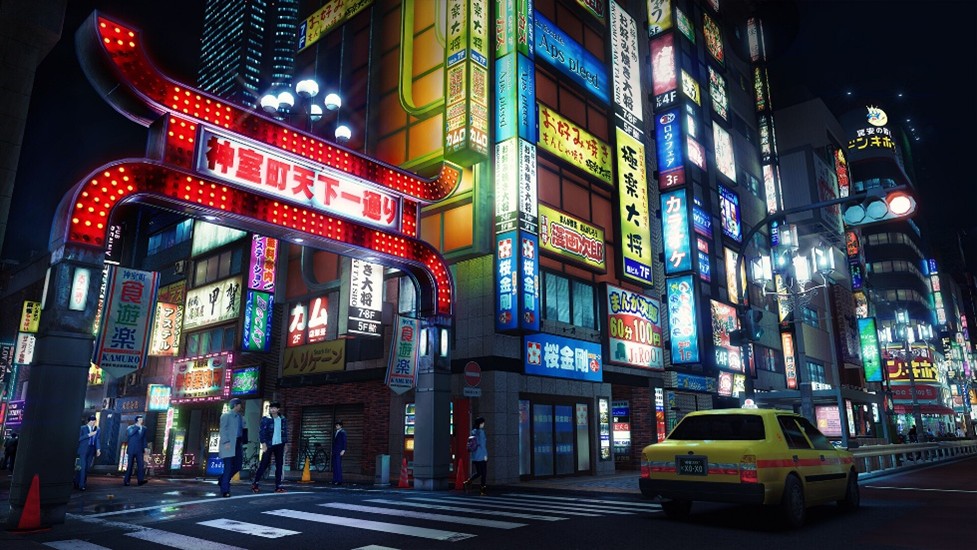
A game born at the tail end of that era has just been carefully remade and returned to us. Yakuza Kiwami 3 — together with its side story Dark Ties — launches across platforms on February 12, 2026. For longtime fans, it’s a reunion; for newcomers, it’s a rare chance to step into the neon streets of a bygone urban vibrancy.

The development team didn’t try to erase the marks of time. If anything, they leaned into moments that once felt fashionable and now read as charmingly dated, turning them into some of the remake’s most delightful features. The protagonist Kazuma Kiryu still carries a flip phone — and you can decorate it with sparkly stickers and rhinestones that actually affect gameplay. You can collect tracks and build a personal soundtrack for your runs through Kamurocho the same way people once curated playlists on portable music players. This is a thoughtful form of empathy: the studio isn’t only showing us the past, it’s letting us feel it.
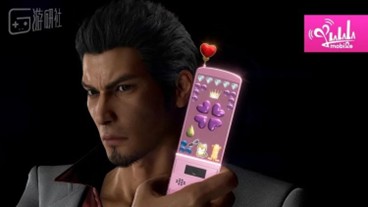
The era’s imprint goes beyond visuals and audio. The millennium years were a time of rapid social change — urban sprawl, accelerating rhythms of life, and broader personal ambitions — and those forces are woven into the game’s narrative fabric.
In this installment, Kiryu has stepped away from yakuza life and relocated to Okinawa to run the Morning Glory Orphanage. But as a resort development progresses, undercurrents of organized crime and political manipulation resurface. The story shifts away from the familiar personal vendettas and toward heavier themes of responsibility and protection, as Kiryu evolves from an infamous yakuza into a guardian for a community. That transformation captures the spirit of the period the remake seeks to preserve.

The remake expands the day-to-day life at Morning Glory in meaningful ways. Players can help with homework, sew, cook, organize small contests — even tend a backyard garden or care for a dog. These slice-of-life systems make the orphanage feel lived-in and warm, and they increase the emotional stakes when conflict arrives: having actively participated in those quiet routines, players feel the weight of what Kiryu is protecting.
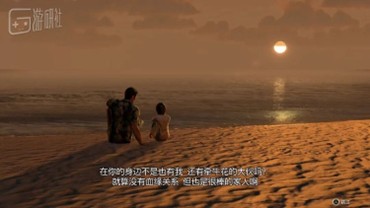
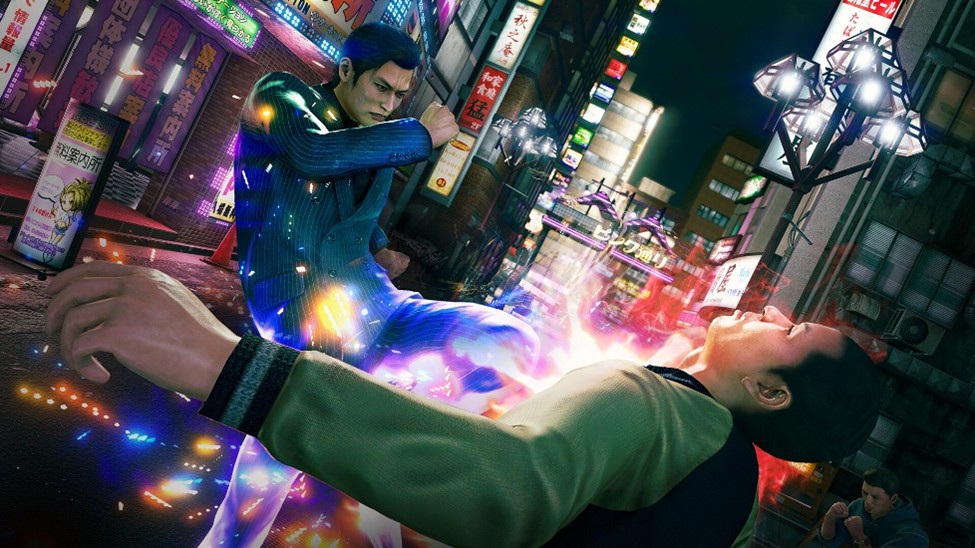
Alongside the gentle domestic scenes, the Okinawa map adds a new, theatrical team-battle mode called “Bad Boy Dragon”. It brings crowd-pleasing, slightly over-the-top combat and dramatized showdowns that also reflect local solidarity in the face of outside pressures. The game resists a simple good-versus-evil binary; instead, it paints a complex picture of a community caught between development and tradition, giving the stage more emotional depth.
The bundled side story Dark Ties is presented as a generous complement rather than a throwaway extra. It centers on Yoshitaka Mine, a memorable antagonist from the original, and delivers a distinct combat system inspired by shoot boxing together with heightened, stylized visuals. That sharp, almost “edgy” design choice mirrors Mine’s conflicted, unpredictable nature, and makes Dark Ties feel like a self-contained chapter worth exploring in its own right.
Across the series’ history, what has made Like a Dragon (formerly localized as Yakuza) resonate worldwide is its focus on ordinary people who, despite being mired in hard lives or moral ambiguity, still reach for decency, connection, and dignity. Those human stories travel better than any single cultural detail.
What Yakuza Kiwami 3 does — with its audiovisual choices and interactive design — is carefully entomb the sheen and warmth of a particular era. By faithfully recreating the rhythm and cultural textures of the millennium years, it lets players relearn that time’s confidence and optimism through play, completing a poignant emotional reunion across decades.
In an increasingly global entertainment market, the real challenge is ensuring a work’s core spirit crosses language and cultural boundaries without losing nuance. The Like a Dragon series succeeds by combining sensitive localization with narratives that echo broader human concerns. That is precisely where professional localization and cultural adaptation play their part: as the bridge between a piece of content and new audiences.
Glodom has long specialized in localization solutions that pair professional rigor with human warmth, helping stories and products move smoothly into new markets and touch new audiences. If you want your work to begin the same kind of cross-cultural conversation, we’re here to walk that path with you.
Article source: 游研社
Image credits: 游研社 / Steam
Glodom does not claim ownership and accepts no legal liability. The views expressed belong to the original author and not to Glodom; the content is provided for reference and learning only. If you believe this content infringes your rights, please contact info@glodomtec.com to request removal.
