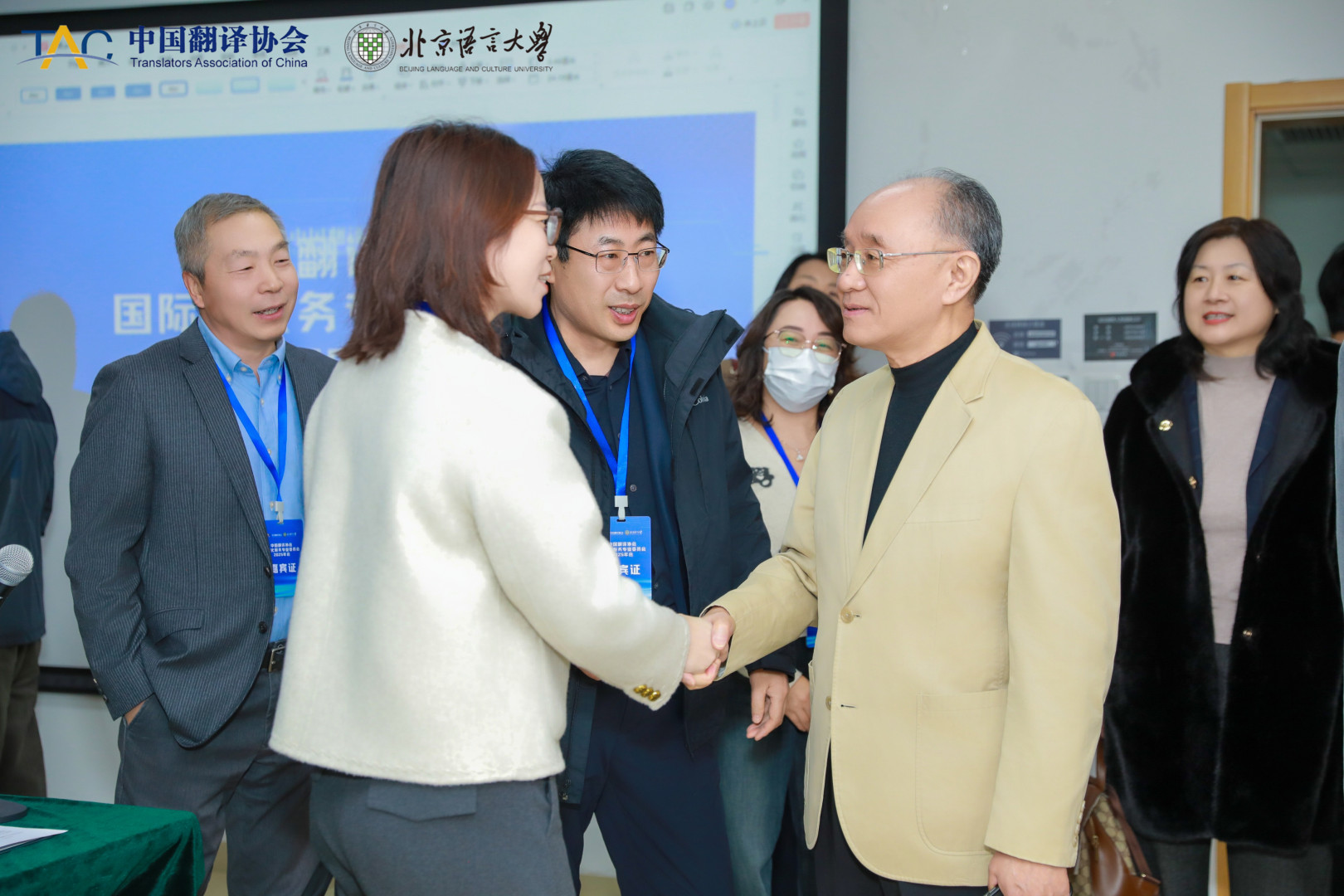
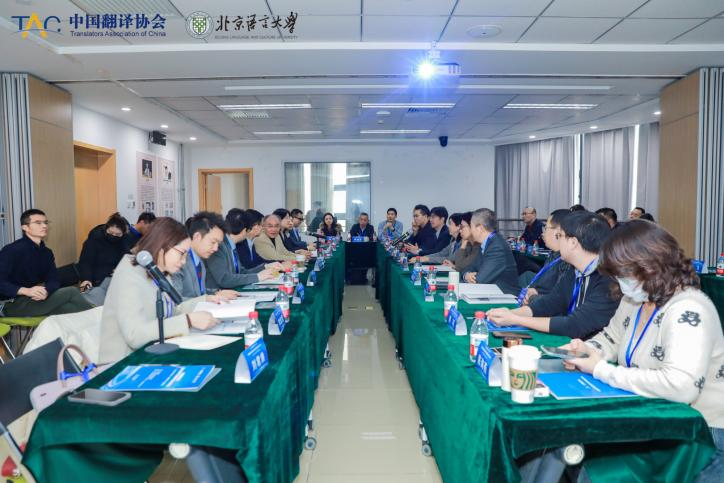
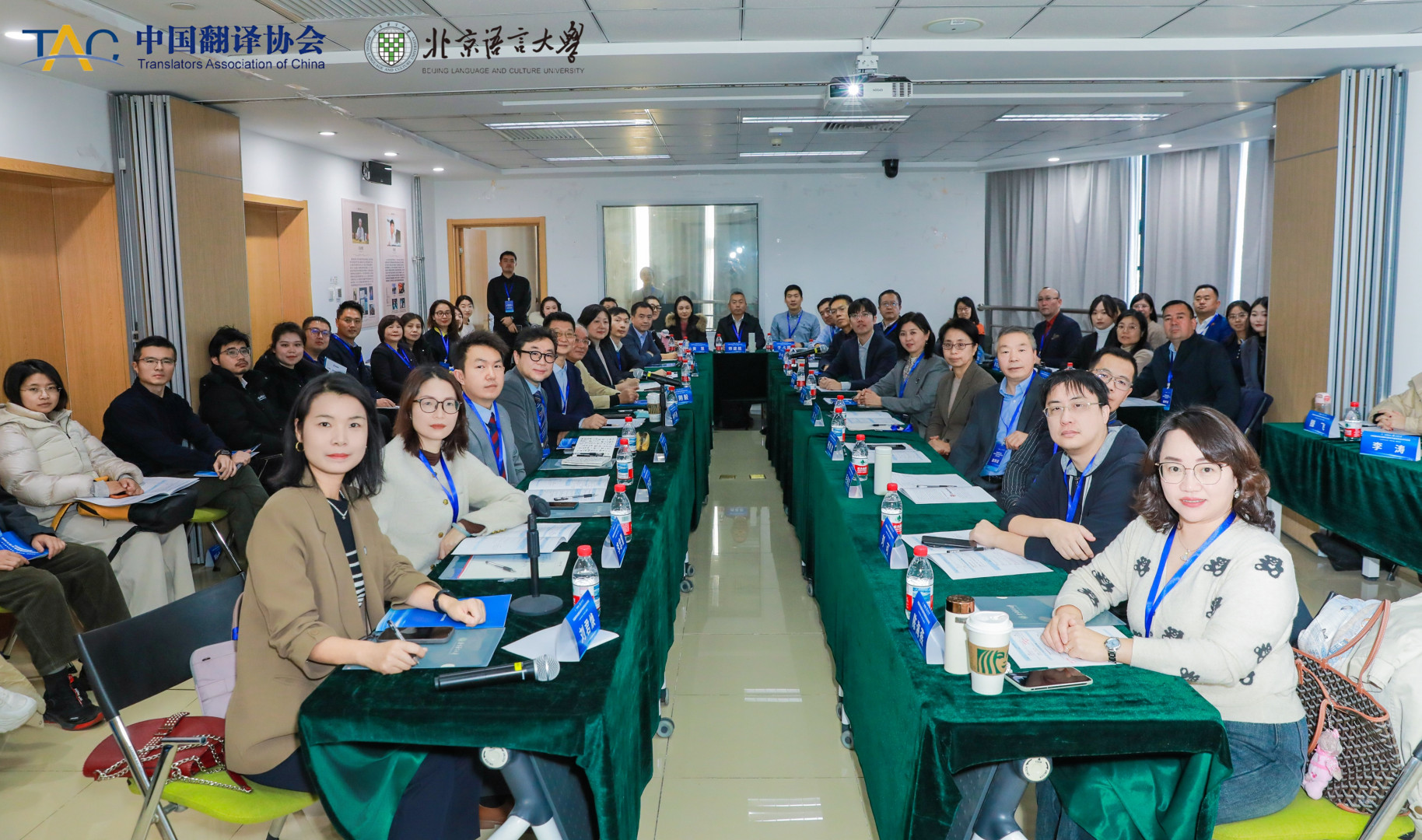
Following the conference, Ms. Li Zhongxue, General Manager of Glodom, was appointed Vice Chair of the Internationalization Services Committee of the China Translators Association. This appointment is both an honor and a recognition of Glodom’s efforts to enable corporate internationalization and promote cross-cultural communication.
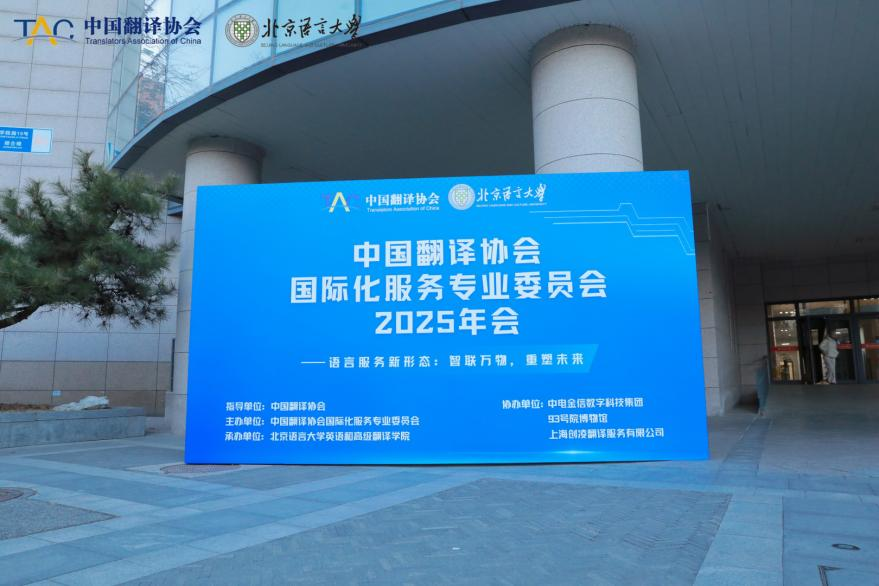
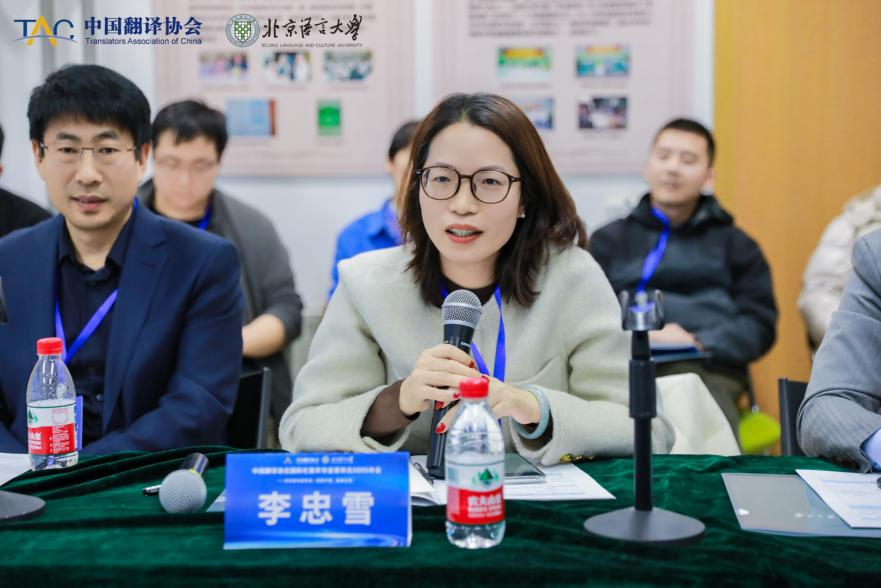
1. Redefining Industry Value
A clear consensus at the conference was that traditional business models are under pressure. Since 2023 global price adjustments have become a reality, and the path of relying solely on text translation and low-price competition is narrowing. The industry’s value focus is undergoing a fundamental shift—from being perceived as a “cost center” to becoming an “enabling partner” in clients’ globalization strategies.From discussions with many export-oriented companies and peers, two patterns emerged: clients’ demand for cost reduction and efficiency improvement is unprecedented; and many fast-globalizing companies lack a systematic cross-language strategy. What they need is no longer just translation but one-stop solutions that cover cultural adaptation, localization compliance, and construction of multilingual content ecosystems.
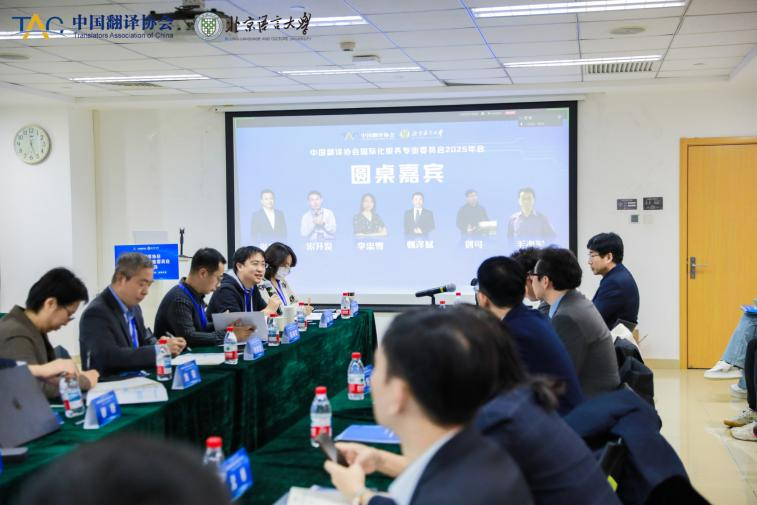
2. How to Respond
In response to these trends, service models that go beyond traditional translation have become the choice of leading providers. The industry is exploring ways to embed language services deeply into clients’ value chains.
We observed that building systems that combine large language models with intelligent platforms is a key technical approach to addressing deep issues such as terminology consistency and contextual understanding in specialized fields. These systems are not intended to replace translators but to enable human–machine collaboration, allowing human experts to focus on higher-value work—creative writing, review, and cultural quality control.
Additionally, as clients’ global localization needs grow more complex, front-loading and deepening services are critical. For example, providing multilingual data services for clients’ AI models—including data collection, annotation, and fine-tuning—has become a new demand hotspot. In sectors such as smart hardware and digital entertainment, services have extended to multilingual interaction design and localized marketing copywriting at the front end of the value chain. Glodom’s practical experience shows that in the AI era the greatest value often lies in helping clients clarify what to do and why to do it.
3. Building Future-Ready Core Capabilities
Facing structural change in the industry, building an integrated architecture that combines linguistic expertise, data capabilities, and AI technology is key to managing uncertainty. This requires companies not only to address current challenges but also to proactively shape the future.
Glodom applies this integrated capability deeply within professional domains such as ICT, life sciences, and intellectual property—industries that demand very high levels of accuracy and domain knowledge. Clients in these sectors require more than language conversion; they require precise transfer of complex knowledge and compliance assurance. To meet these needs, Glodom leverages a network of native-language experts across more than 40 countries and a service system that supports over 200 languages, providing solid and reliable professional support for clients’ globalization efforts.
On the technology side, situationally integrating natural language processing and large language model technologies is a route to differentiated advantage. From multimodal data processing and domain-model fine-tuning to scenario-based deployment, the ability to provide end-to-end technical solutions enables companies to meet clients’ unique, non-standard language-technology challenges.
4. Co-creating an Ecosystem and Defining the Future Together
The conference reinforced a vital insight: solitary competition has no future. Industry issues such as pricing power and the lack of consistent value metrics require collective reflection and collaborative problem-solving. A healthy language-service ecosystem will be a partnership among technology providers, service vendors, academia, and end clients. Only through open collaboration can the industry meet the complex challenges brought by technological change.
Looking ahead, we take a cautiously optimistic view. Even if the cost of machine translation continues to fall, the demand for precise communication, cultural resonance, and emotional connection from humans will only increase. Glodom will continue to uphold professionalism and innovation, turning advanced technologies into tangible commercial value for clients and helping more Chinese brands and products become part of the global conversation in ways the world understands.