


Task Segmentation: Turn a Mountain into Pebbles
Large projects—tens of thousands of words—can feel overwhelming and trigger avoidance or anxiety, which lowers both speed and quality. A reliable remedy is task segmentation: break a large assignment into smaller, well-defined units (by word count, paragraph, or document sections). For example, with a 10,000-word file, set a target such as “complete the first 2,000 words today” instead of fixating on the total. Small, time-bound goals generate regular achievements and make progress easier to track.Apply the SMART framework when defining these sub-goals: Specific, Measurable, Achievable, Relevant, and Time-bound. Replace vague aims like “translate faster” with concrete targets such as “produce a 1,000-word draft in the two morning hours.”

Deep Focus: Practicing the Pomodoro and Deep-Work Methods
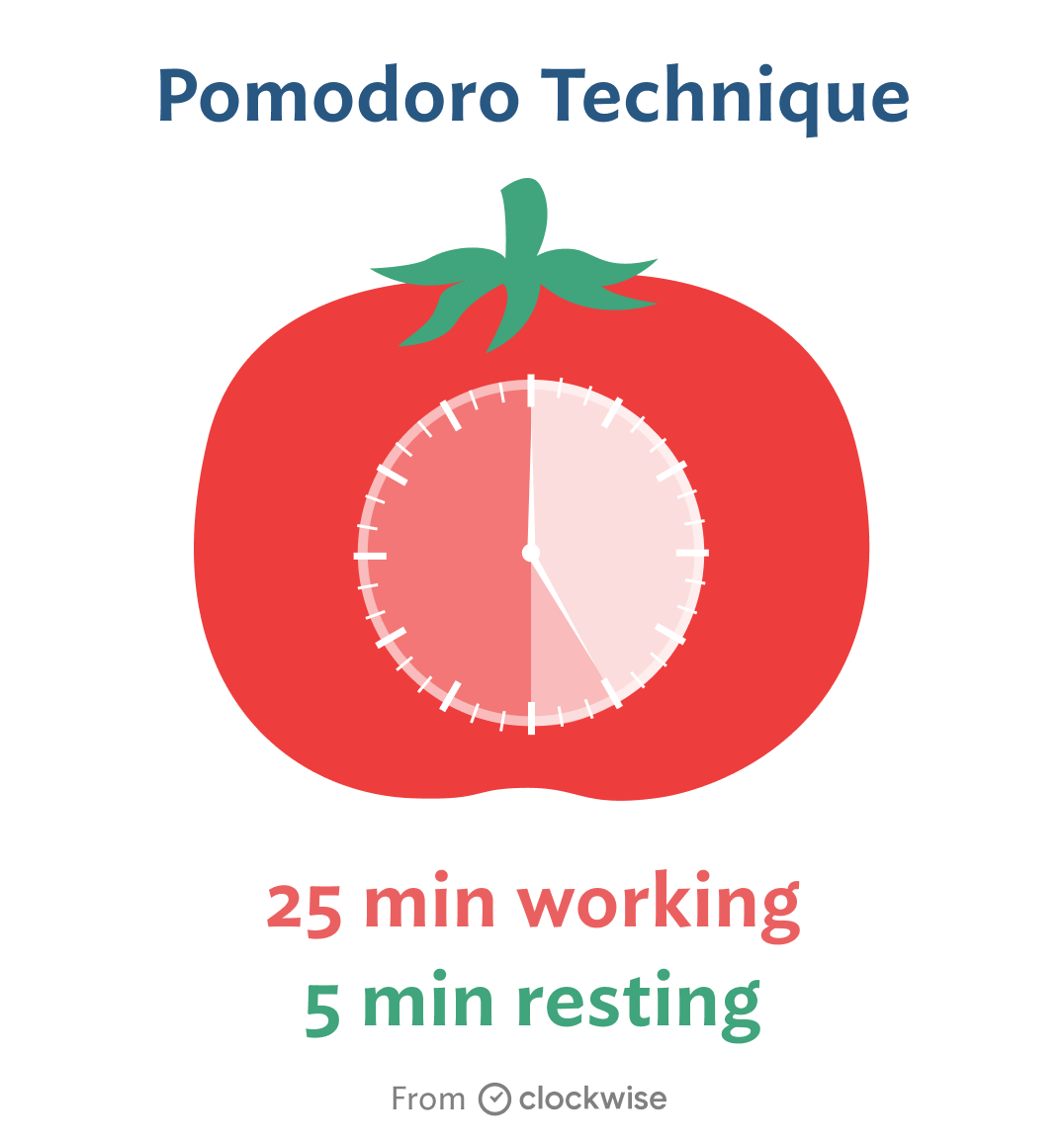
The biggest productivity enemy is not difficult vocabulary but fragmented attention—phone calls, messaging apps, email alerts, or stray browser tabs. Research shows it can take about 20 minutes to fully recover focus after an interruption. The Pomodoro Technique is an easy, effective method to protect attention:This rhythm reduces fatigue while sustaining output. For demanding projects, reserve fixed “deep-work” blocks (for example, 9:00–11:00 AM) and treat them as non-interruptible time for high-intensity translation. Over time this practice helps you reach a flow state where speed and quality both improve.
- Set a 25-minute timer and translate with full concentration; do not switch tasks.
- Take a 5-minute break after each Pomodoro.
- After four Pomodoros, take a longer break.
Batch Processing: Compound Your Efficiency
Many translation activities—looking up terms, formatting, proofreading—are essential but not value-creating if they interrupt the primary task. Instead of switching back and forth, batch these activities:
- Terminology lookup: mark unknown terms while translating and research them in a focused session afterward.
- Formatting: keep basic layout while translating; perform fine formatting in a dedicated cleanup pass.
- Proofreading: schedule a separate review session after completing the draft rather than editing continuously.
Batching reduces the cost of task switching. Cognitive studies suggest switching tasks can reduce efficiency by 20–40%; clustering small tasks frees up more uninterrupted attention for core translation work.

Health First: Ensure Long-Term Sustainability
Sustained productivity comes from a sustainable pace—not from short bursts of overwork. Many translators degrade their long-term output through chronic overtime and insufficient rest. Prioritize sustainability:Translation is a marathon, not a sprint. Stable mental and physical health is the true foundation of lasting productivity.
- Maintain regular sleep patterns and avoid consecutive all-nighters.
- Take short breaks every 50–60 minutes; include light exercise to relieve the strain of prolonged sitting.
- Set clear boundaries between work and personal time; learn when to stop.
- Use the “20-20-20” eye-care rule: every 20 minutes, look at an object at least 20 feet away for 20 seconds to reduce eye strain.

Conclusion
Improving translator productivity does not rely solely on technology. By applying task segmentation, disciplined focus methods, batch processing, and sustainable health practices, translators can find a steady, personal rhythm that yields more output in better condition. These approaches help translators complete more work in less time while maintaining the concentration and care this profession requires.If your organization needs translation support, Glodom maintains a network of over 10,000 professional native translators ready to deliver high-quality services.
