From Forestrike to Sifu, these works reveal a new landscape of cultural exchange: Chinese wuxia—with its distinctive philosophy and aesthetics—is inspiring creators around the world. The widespread acceptance of such cross‑cultural projects, however, depends on one essential professional discipline: precise, culturally aware localization.
1. The Phenomenon: Overseas Studios’ Wuxia Experiments
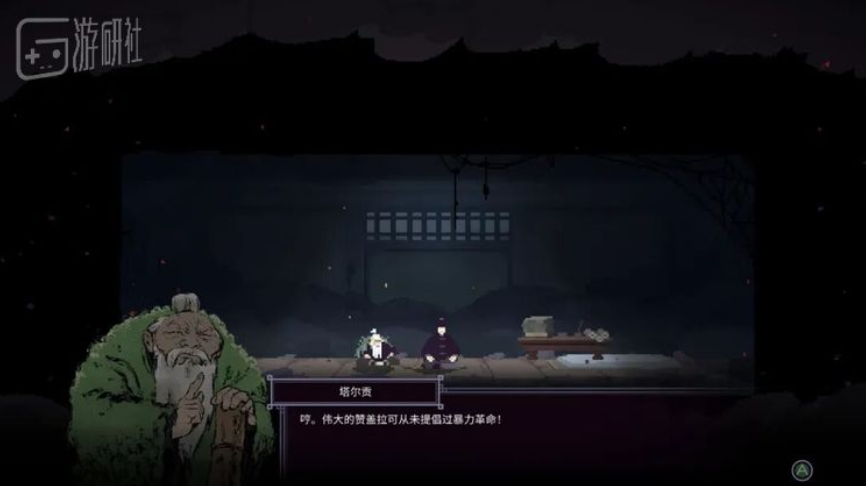
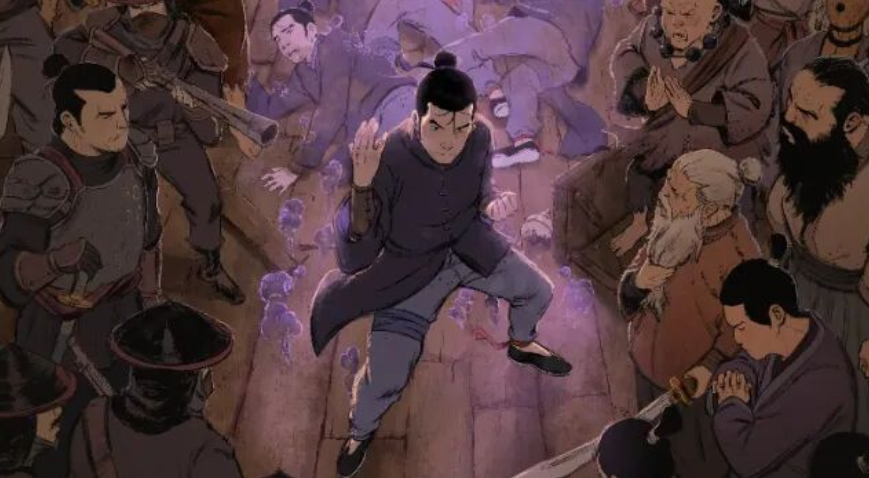
In recent years a notable trend has emerged in the games industry: overseas studios are increasingly exploring themes of Chinese kung fu and wuxia. Forestrike is a recent example. Developed by a team based in Japan with core members from France, the game achieved about 90% “Very Positive” reviews on Steam, with a large portion of the enthusiastic response coming from Chinese players. Similarly, the French studio Sloclap’s Sifu earned both critical acclaim and commercial success in Eastern and Western markets. These successes show that the wuxia motif has entered the global design vocabulary.2. The Background: Cultural Impressions Formed on Screen
Many overseas developers’ initial understanding of wuxia traces back to formative viewing experiences—dubbed versions of classic Hong Kong martial arts films such as Drunken Master and the Once Upon a Time in China series. These cinematic impressions shape the aesthetic sensibility of their work. That influence shows up in evocative pixelated inns, bamboo groves, and narrative structures built around sect crises and loyal disciples—an unmistakable homage to the golden age of kung fu cinema. At the same time, this external, film‑based lens can occasionally leave cultural gaps in fine detail.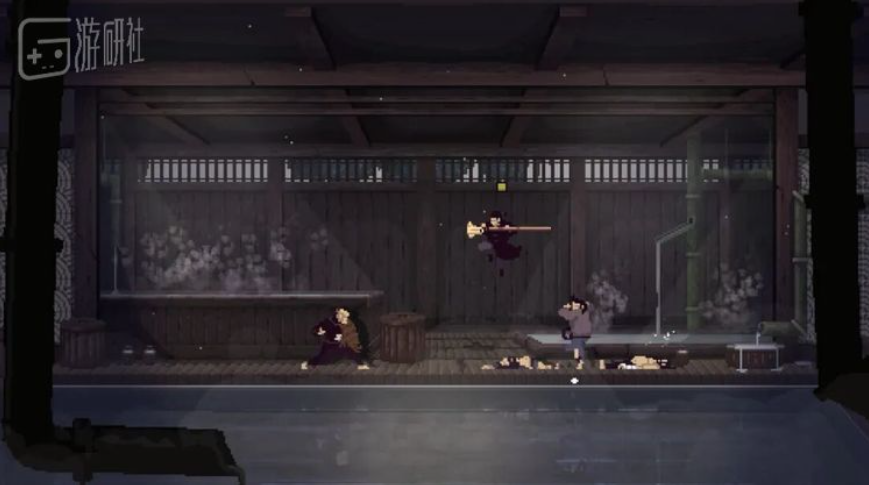
3. The Core: Gameplay Resonance with Wuxia Ideals
Beyond surface aesthetics, these games win global favor because their gameplay mechanics capture something akin to the spirit of wuxia. Forestrike frames its experience as a highly strategic action game: a unique “foresight” mechanic asks players to plan ahead like a seasoned tactician, while tight resource constraints push players toward precision and efficiency. That design subtly mirrors wuxia concepts such as “plan before action” and the ideal of defeating an opponent with a single, decisive move. When players refine their skills and complete challenges with fluid, almost effortless mastery, the resulting sense of accomplishment echoes the wuxia themes of cultivation and sudden insight. This mechanical‑to‑emotional alignment, achieved through game systems, explains much of the cross‑linguistic and cross‑cultural resonance.4. Gaps and Bridges: The Core Value of Professional Localization
Even when gameplay captures a spiritual likeness, a strictly external interpretation will often miss nuances. Martial arts terminology, the internal logic of character dialogue, and culturally embedded metaphors can all create subtle alienation—or worse, misunderstandings—if they are translated without cultural adaptation. These texture‑level mismatches highlight why professional game localization is indispensable. True localization is more than literal translation: it is cultural adaptation and careful creative re‑writing. It requires linguists who are not only expert translators but also culturally perceptive and empathetic, capable of conveying original concepts, humor, and subtext so that players in different regions can genuinely feel the intended emotions, atmospheres, and values.