

Green Hell, a survival title set in theunforgiving depths of the Amazon rainforest, recently reached a staggeringmilestone: 10 million copies sold. For a game often described by its communityas "absolute hell" in terms of difficulty, this achievement hasturned heads across the industry. It begs the question: How did a niche,punishing experience achieve such massive mainstream success?
The Lethal Allure of the Amazon
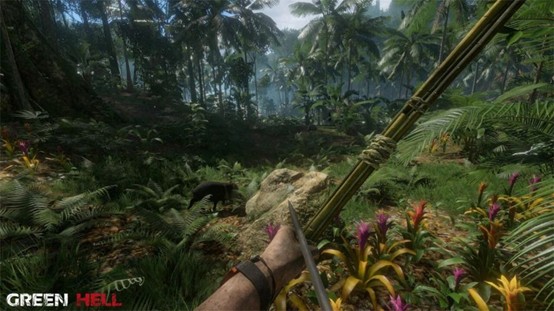
Developed by the Warsaw-based studio Creepy Jar, the game immerses players in the South American rainforest—an environment as breathtakingly lush as it is biologically hostile.The challenge begins with the fundamental subversion of survival resources. In Green Hell, managing hydration and physical stamina is a harrowing ordeal. The sweltering humidity drains the survivor’s water reserves rapidly, while the dense foliage makes finding clean water a constant struggle. A single sip from a contaminated source can trigger a debilitating fever or parasitic infection, swiftly breaking a player's will to survive. It is this brutal authenticity—the reality that an inexperienced explorer would likely not last a day—that gives the game its name.
Depth in the Details: The Body Inspection System
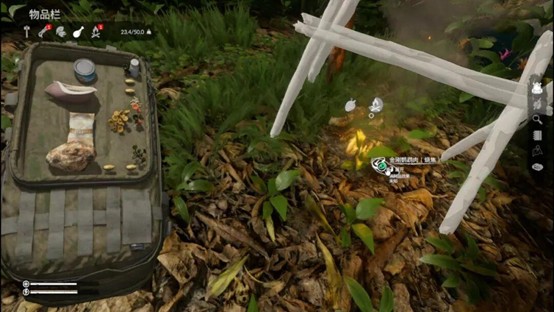
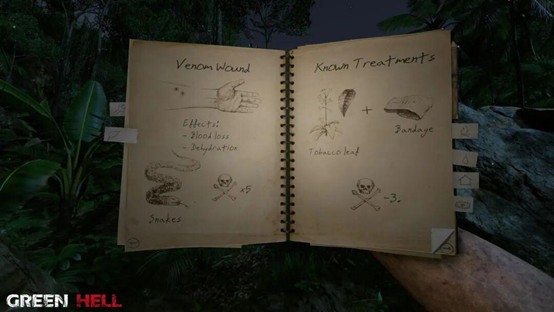
Beyond the environment, Green Hell distinguishes itself through its intricate Body Inspection system. Players cannot simply "apply a bandage" to heal. Instead, they must manually inspect their limbs to identify the specific type of wound before selecting the correct treatment from their backpack. In moments of heavy bleeding, a few seconds of fumbling can mean the difference between life and death.
This commitment to realism permeates everymechanic, from categorized inventory management to the multi-step process ofcrafting tools and gathering kindling. Every action is a deliberate simulationof real-world survival logic.
The Power of Perseverance and "Hardcore" Roots
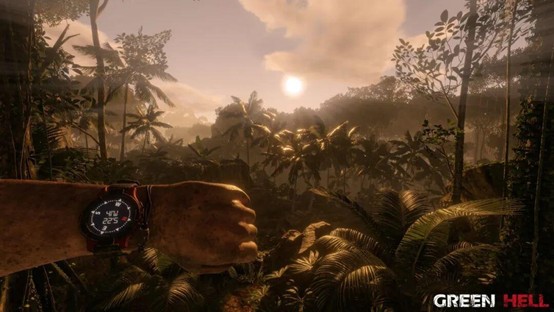
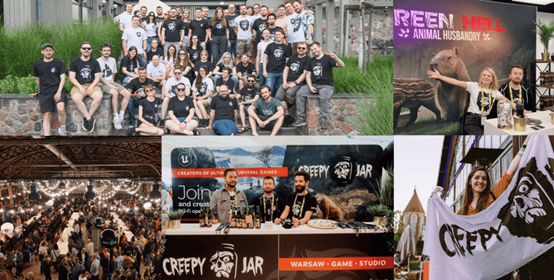
Founded in 2016, Creepy Jar is comprised of industry veterans from Techland and Flying Wild Hog, with credits on titles like Dying Light, The Witcher 2, and Bulletstorm.Rather than taking a "safe" path, this team leveraged their expertise to double down on the hardcore survival genre. They spent years refining the experience, and even after the official launch, they never stopped. With over 20 free major updates—including co-op modes and new story arcs—they transformed a focused initial release into a rich, expansive world. This "slow and steady" approach, fueled by patience, has allowed the game to continually attract new players long after its debut.
Redefining the "Niche"
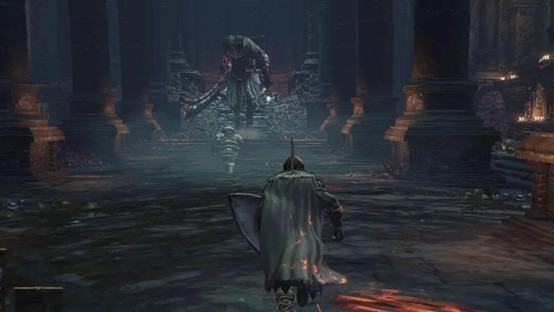
The success of such a demanding title serves as a reminder to the industry: never pigeonhole a genre. Market perceptions are often limited by outdated biases.A decade ago, few believed "ACG" (Anime, Comic, and Games) titles could go mainstream. Similarly, the "Souls-like" genre was once considered the exclusive domain of masochistic players. Today, Genshin Impact is a global phenomenon, and Elden Ring has surpassed 30 million copies sold. These cases prove that the boundary between "niche" and "mainstream" is fluid. What matters most is whether a game provides a unique, high-quality experience that offers profound satisfaction.
Global Aspirations and the Cultural Barrier
For developers in China and beyond, the success of Green Hell offers a clear takeaway: instead of chasing saturated trends, dive deep into a specialized niche. Imagine a survival game set during a period of historical upheaval in ancient China; the immersion of managing resources within that specific cultural and historical context could be far more impactful than any textbook.
However, bringing such culturally distinct ideas to a global stage requires overcoming the inevitable barriers of language and culture. Can an overseas player grasp the historical logic of a specific era? Can they feel the "survival anxiety" intended by the mechanics?
The answer lies in the precision of translation and the adaptation of cultural imagery—fields where Glodom excels. Our mission goes beyond mere word-for-word translation; we strive to restore the core mechanics and narrative soul of a game, ensuring that global audiences can truly "read" the cultural heart hidden within the gameplay.

The 10-million-unit success of Green Hell offers a simple truth: niche does not mean small. The key is to push an experience to its absolute limit and then ensure the world can understand it. When you combine differentiated craftsmanship, continuous operation, and precise communication, a regional creative spark can become a global cultural icon. For development teams worldwide, the path is becoming clearer: tell a deep, authentic story, and partner with professional localization teams to bring that story to the world.
Image Credit: GameRes
Copyright Notice: This article is adapted and translated from GameRes. All rights belong to the original creators. The views expressed are those of the author and do not necessarily reflect the official position of Glodom. For inquiries or removals, please contact: info@glodomtec.com.
