

What does it take for an action game to
sell four million copies within just 72 hours of launch?
On November 2, developer S-GAME announced
the latest sales milestone for Phantom Blade Zero. Since its official release
on October 29, the highly anticipated wuxia action game has quickly drawn a
substantial player base. The strong launch undoubtedly reflects the
anticipation built up before release. But once players get their hands on a
game, sustained interest ultimately comes down to the experience itself.
Judging by current player feedback and
media reviews, combat is one of the game's biggest talking points. Its fast,
forceful movements, extensive weapon selection, and cinematic action sequences
offer a take on wuxia combat that feels both familiar and refreshingly
different.
So what exactly makes Phantom Blade Zero's
combat so engaging? Let's take a closer look at the design choices behind it.
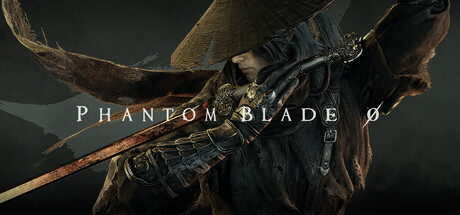
1. Fluid Combos and Dynamic Offense-Defense Transitions
Keep Combat Engaging
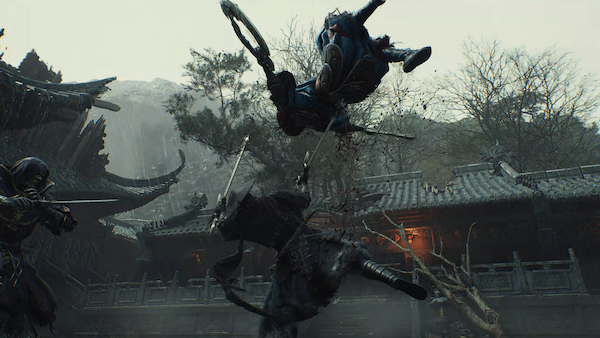
One of the first things players are likely
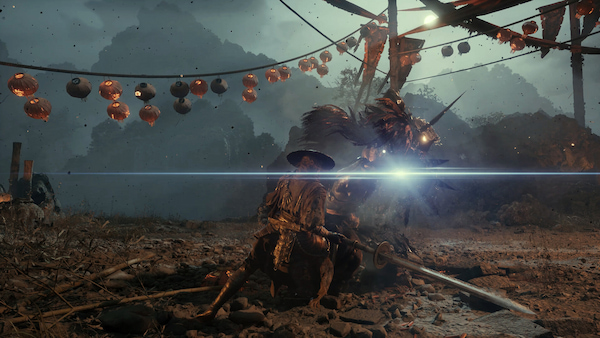
to notice about Phantom Blade Zero is the quality of its action. Characters
move and strike at remarkable speed, sword clashes carry a palpable sense of
impact, and attacks flow naturally from one movement to the next.
Whether trading rapid blows at close range
or dodging and countering a formidable opponent, the combat captures the
distinctive style of classic wuxia action cinema. The game also uses motion
capture technology to bring traditional martial arts movements into its
character animations, giving each technique a convincing sense of physicality
and weight.
But satisfying combat takes more than
impressive visuals. Phantom Blade Zero offers a range of combat options,
including attacking, blocking, dodging, and switching weapons. Players must
read their opponents and adapt their approach accordingly. Simply chaining
attacks together is rarely enough.
The Sha-Chi system, in particular, adds
another layer to the interplay between offense and defense. Blocking consumes
the player's own Sha-Chi, while successful deflections, dodges, and attacks
deplete the enemy's Sha-Chi. Switching primary weapons also helps restore the
player's own resource.
As a result, combat is about more than
executing a sequence of combos. Knowing when to attack, when to defend, and
when to switch weapons can all shape the outcome of an encounter.
The game also offers an extensive selection
of weapons. Each comes with its own moveset and combat characteristics,
allowing players to experiment with different combinations and find an approach
that suits their playstyle. As they progress, familiar attack patterns can give
way to entirely new combinations, keeping combat varied.
2. Boss Battles Are About Reading Your Opponent and
Finding the Right Opening
If regular encounters help players get to
grips with the controls, boss battles are where Phantom Blade Zero's combat
design really comes into its own.
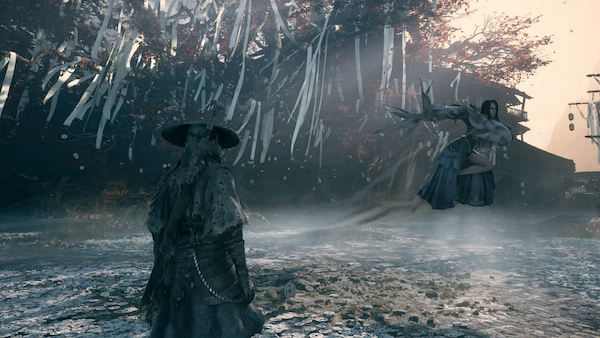
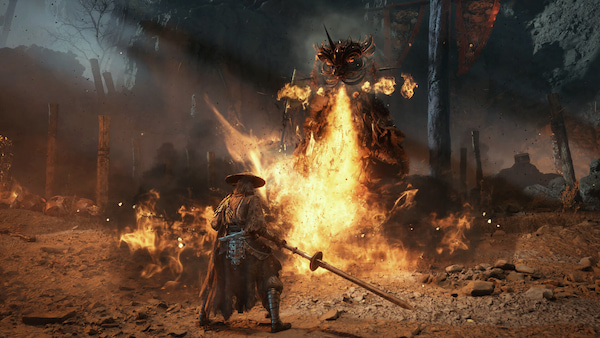
The bosses are far more than ordinary
enemies with larger health bars and stronger attacks. Each has a distinct
fighting style and rhythm. Some strike with blistering speed, leaving players
little room to react, while others rely on their imposing size and
wide-reaching attacks, demanding close attention to both their range and
follow-through.
Against these opponents, aggressive
button-mashing is unlikely to get players very far.
During an initial encounter, players may
struggle to read an unfamiliar boss's movements and find themselves overwhelmed
by successive attacks. It often takes several attempts to recognize attack
wind-ups, understand the range of incoming strikes, and identify the right
moments to dodge or deflect. Only then can players begin to exploit openings
and launch effective counterattacks.
This learning process is one of the most
rewarding aspects of action games. After a failed attempt, players naturally
start thinking about where their timing or judgment went wrong. When they
return to the fight, they can adjust their pace, rethink their approach, and
try a different strategy.
When an attack that once seemed impossible
to handle can finally be countered with confidence, the satisfaction of victory
becomes all the greater.
Another noteworthy feature is the way the
game incorporates boss weapons into its reward system. Some weapons used by
bosses can be claimed after defeating them, giving players the opportunity to
try out the very moves and fighting styles they previously had to defend
against. This connects boss encounters with the broader weapon collection
system and gives each victory a tangible payoff beyond simply progressing
through the game.
3. Beyond Combat: Where Does the Game Still Have Room to
Improve?
Strong combat alone does not mean every
aspect of Phantom Blade Zero is beyond criticism.
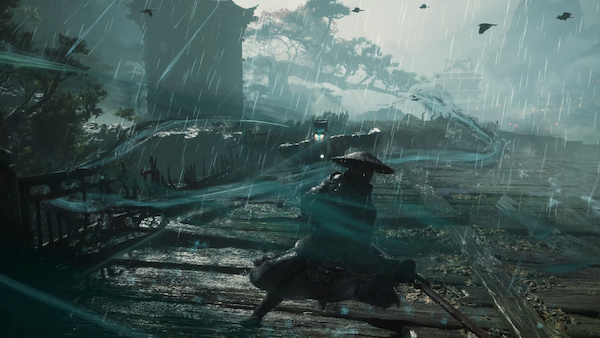
Based on current media reviews and player
feedback, the narrative is another area attracting considerable discussion. The
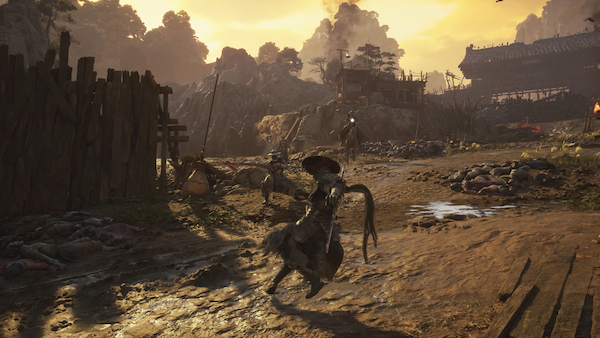
game builds a world that blends traditional wuxia with fantasy and folk horror.
Its protagonist, Soul, has just 66 days to live, giving the story a clear sense
of urgency.
However, as more characters, factions, and
past events are introduced, the amount and complexity of information can make
the plot difficult for some players to follow. At times, the narrative may also
feel somewhat fragmented, with its pacing lacking consistency.
The experience of fighting regular enemies
and progressing through levels has also received mixed reactions. Compared with
the more distinctive boss encounters, some standard fights may leave a less
lasting impression. Players who place greater emphasis on exploration freedom
or a more cohesive narrative experience may also find room for improvement.
These criticisms do not take away from the
game's strengths in combat design. They do, however, highlight an important
consideration: a game's long-term appeal depends on how well its combat, level
design, storytelling, and other elements come together as a cohesive
experience.
Conclusion
Phantom Blade Zero has made an impressive
start commercially, giving more players around the world an opportunity to
experience a wuxia world with a distinctly Chinese identity. Its combination of
traditional martial arts influences and modern action game mechanics also opens
up new possibilities for Chinese cultural themes in the global gaming market.
For international players, understanding a
wuxia game often means understanding the cultural context behind it. From the
names of martial arts techniques and character forms of address to weapon
designs and relationships within the Wulin, these details carry meanings rooted
in a particular cultural tradition. Helping players in different markets fully
understand the game's world and characters requires more than linguistic
accuracy. Game localization teams must develop a thorough understanding of the
game's worldbuilding, setting, and narrative voice, then adapt terminology,
dialogue, and cultural references to the language conventions of each target
market.
This calls for a high level of expertise
from game localization teams. Glodom has extensive experience providing
multilingual game localization services, covering character dialogue, user
interfaces, narrative content, and other in-game materials. With a focus on
terminology consistency, character voice, and cultural adaptation, Glodom helps
game developers maintain accurate and coherent content across different
language markets.
Four million copies in 72 hours is an
impressive opening. Whether Phantom Blade Zero can continue to captivate
players through its combat system and distinctive wuxia world, however, is
something only time and continued play will tell.
Image Copyright Notice: Images of
Phantom Blade Zero featured in this article are sourced from the game's Steam
Store page. All images and game assets remain the property of the developer and
respective copyright holders. They are used here solely for game introduction,
commentary, and industry analysis.
About Glodom
Glodom is an innovative provider of
language technology solutions, with deep expertise in game localization. We
maintain long-term partnerships with leading global game companies. With over
300 in-house professionals and a network of 10,000+ native linguists across
more than 40 countries, we support over 200 languages worldwide.
Combining advanced technology with
extensive project management experience, Glodom helps clients execute global
strategies with precision and efficiency. From localization quality to
large-scale multilingual delivery, we remain at the forefront of the industry.
