

On September 17, the official team behind
Nivalis Nights announced that the game had surpassed 1 million wishlists on
Steam. With its September 29 release date now less than two weeks away, the
game has already attracted a remarkable amount of attention before launch.
Developed by ION LANDS and published by 505
Games, Nivalis Nights is a life simulation game set in the cyberpunk city of
Nivalis. Players start with a humble noodle stand and gradually expand into
restaurants and nightclubs. They can also buy and decorate apartments, go
fishing, explore the city, meet its residents, and even develop romantic
relationships.
At first glance, the game seems to be
simulating more than a business. It is trying to capture an entire way of life
in a city.
And that raises a more interesting question
for life simulation games: as players are given more and more things to do, how
can those choices feel connected rather than simply becoming a longer list of
activities?

01. Starting with a Business
The starting point of Nivalis Nights is
fairly straightforward. Players begin with a small noodle stand and gradually
build their business, eventually expanding into restaurants and nightclubs.
This kind of progression is familiar.
Traditional management simulation games often revolve around a clear loop of
income, upgrades, and expansion: earn more money, unlock new facilities, and
use a larger operation to reach the next stage.
Nivalis Nights keeps that basic structure,
but it does not make earning money the only way forward.
Based on the content revealed so far,
players can buy and decorate homes, explore different parts of the city, go
fishing, grow ingredients, and spend time building relationships with its
residents.
The developers have also emphasized that
players can organize each day at their own pace instead of constantly following
a fixed progression.
As a result, business growth is no longer
the only measure of progress.
Players can focus most of their time on
running their businesses, or they can put that time into other parts of life.
Rather than offering a single progression path, the game allows several
different ways of living to develop alongside one another.

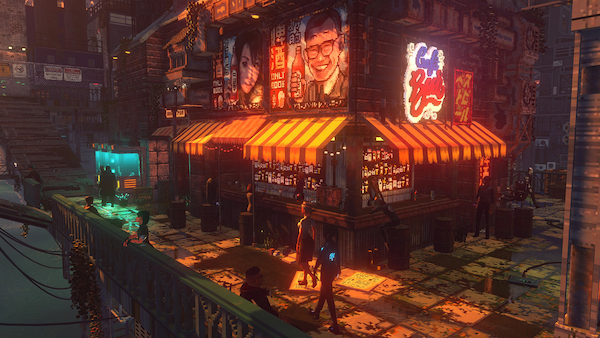
02. Time Is Also a Resource
The more interesting question is how the
game treats time.
In many management games, the first concern
is efficiency: how to organize production, increase revenue, and level up as
quickly as possible. Time mainly serves as a mechanism that keeps the
management loop moving.
In Nivalis Nights, however, time itself may
become a resource that players have to allocate.
You can stay at the shop and take care of
business for the day, or prepare ingredients first and then head to another
part of the city. You can spend the afternoon fishing, return home to rearrange
your apartment, or go meet someone you know. These choices may not offer the
same rewards, but choosing one also means giving up time for another.
This is one of the more important
differences between a life sim and a traditional management sim.
Real life rarely follows a single path of
constantly increasing efficiency. Every day, people make trade-offs between
work, interests, social life, and rest. Perhaps what a life simulation really
needs to capture is not every detail of real life, but the feeling of deciding
for yourself how to spend your time.
Based on the gameplay revealed so far,
Nivalis Nights is clearly trying to make that choice part of the game itself.

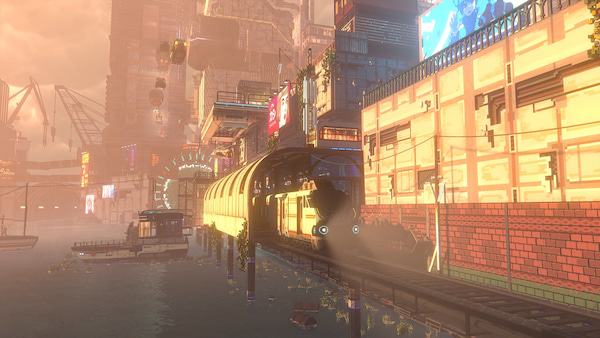
03. Making the City Worth Staying In
If the game's main purpose were simply to
run restaurants, activities such as fishing, decorating a home, and building
relationships might seem like optional features that could easily be removed.
But the content revealed so far suggests a
broader design. Players can buy and customize homes, make friends, develop
rivalries, and even pursue romance. At the same time, the business side of the
game involves ingredients, dishes, and managing different types of venues.
The purpose of these systems may not simply
be to “add more content.” They give players reasons to stay in the city even
after stepping away from their main goals.
Maybe you do not feel like making money
today. You can wander around, go home and rearrange a room, or change your
plans just to spend time with a particular resident.
That is one of the things that makes life
simulation games distinctive. Players need more than a clear progression goal.
They also need a place they want to keep spending time in, even when they are
not actively trying to move that goal forward.
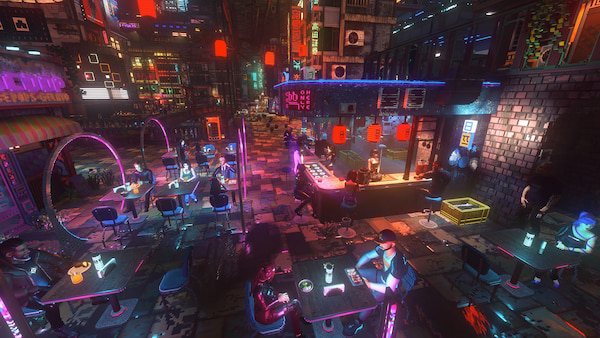
Final Thoughts
Nivalis Nights surpassing 1 million Steam
wishlists before launch is certainly a strong sign of the attention it has
already generated. But wishlist numbers are ultimately a pre-launch market
signal. How well the game's systems actually come together will only become
clear once it launches on September 29.
So far, the most interesting aspect may be
that Nivalis Nights does not simply treat “life” as a business system with a
few leisure activities added on top. Instead, it is trying to make business,
exploration, relationships, and everyday activities part of how players spend a
day in Nivalis.
Whether that approach ultimately works will
be answered by the experience after launch. For now, though, Nivalis Nights has
established a clear direction: let players decide where their time goes, and
make the question of “What do I want to do today?” part of the game itself.
Image Copyright Notice: The images
related to Nivalis Nights used in this article are sourced from the game's
Steam store page. All copyrights to the images and game assets belong to the
game's developer and other relevant rights holders. The images are used solely
for game introduction, commentary, and industry analysis.
About Glodom
As an innovative language technology
solutions provider, Glodom has developed deep expertise in game localization
and built long-term, stable partnerships with major global game companies,
including Tencent, NetEase, and Nintendo. Our localization services cover a
broad range of game genres, including RPGs, SLGs, shooters, MOBAs, management
simulation games, and anime-style card games.
Today, Glodom has more than 300 full-time
employees and a global network of more than 10,000 native-speaking language
experts across 40+ countries and regions, supporting localization needs in more
than 200 languages.
Glodom is committed to combining technology
with professional language services. Through continuous investment in
technology, we have developed an intelligent language technology platform that
integrates translation memories, dynamic terminology databases, and AI-assisted
tools to help address the challenges of simultaneous multilingual releases and
frequent version updates. At the same time, we have established a quality
assurance process covering native-language translation, cultural risk
management, Localization Quality Assurance (LQA), and testing in real game
environments.
Whether it comes to cultural adaptation or
the efficiency of large-scale multilingual delivery, Glodom continues to uphold
high standards of quality and remains at the forefront of the industry.
